
Key takeaways
- Your windows let in more summer heat than almost any other part of your home.
- Exterior solar screens work better than interior blinds because they stop the sun before it reaches the glass.
- Start with west-facing windows, then east, then south.
- 90% screens block more heat and glare; 80% screens keep more of your view.
Why your windows are the weak spot
Walls and attics can be insulated. Glass can't. According to the U.S. Department of Energy, about 76% of the sunlight that falls on standard double-pane windows enters the home and becomes heat during the cooling season.1 In a desert summer, that turns every sunny window into a small space heater your air conditioner has to fight all afternoon.
Arizona Public Service has long pointed to windows as the single biggest source of summer heat gain in a typical Valley home, ahead of the roof and walls.2 That's why shading your windows is usually one of the most effective comfort upgrades you can make.
Outside beats inside
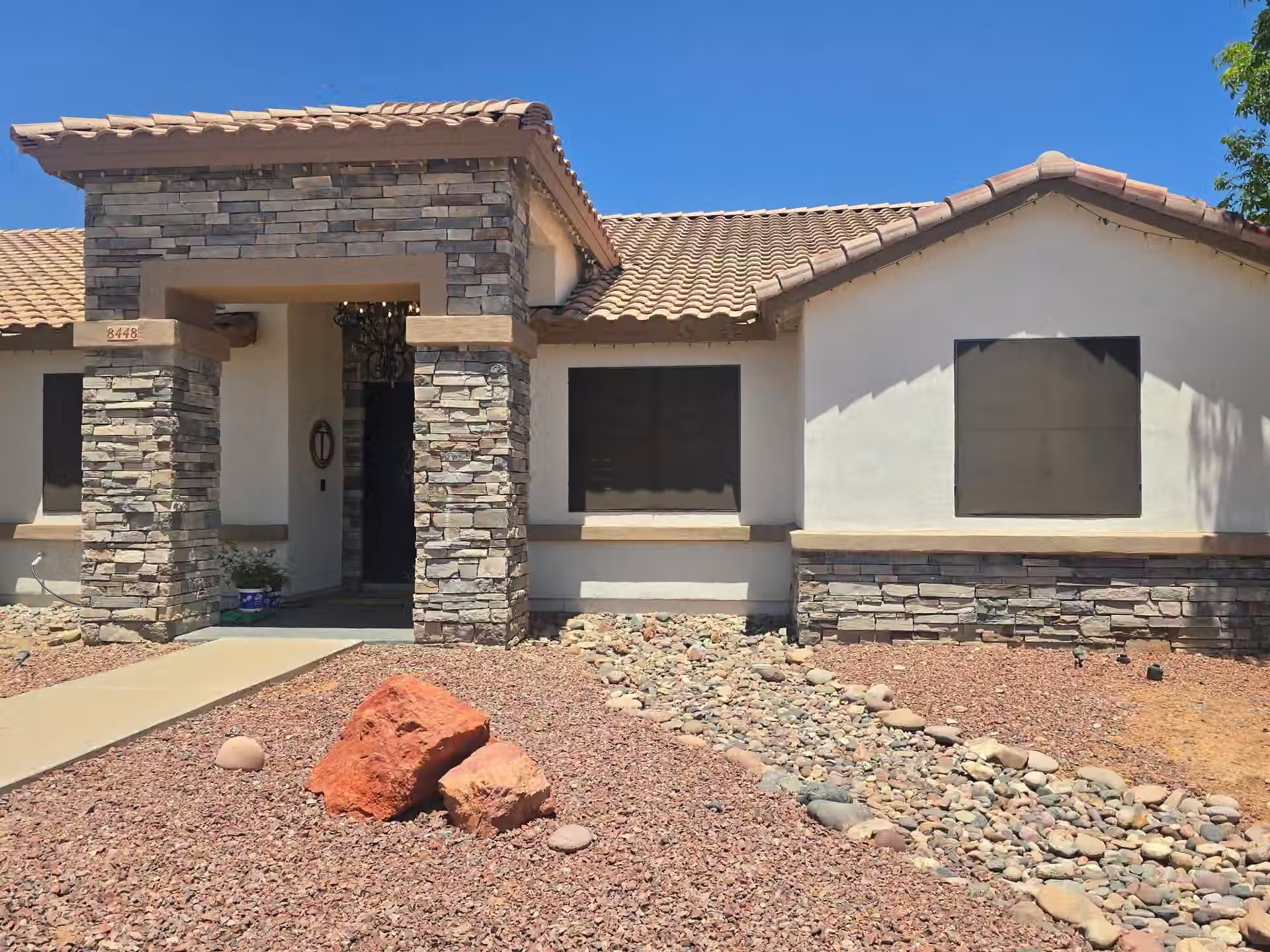
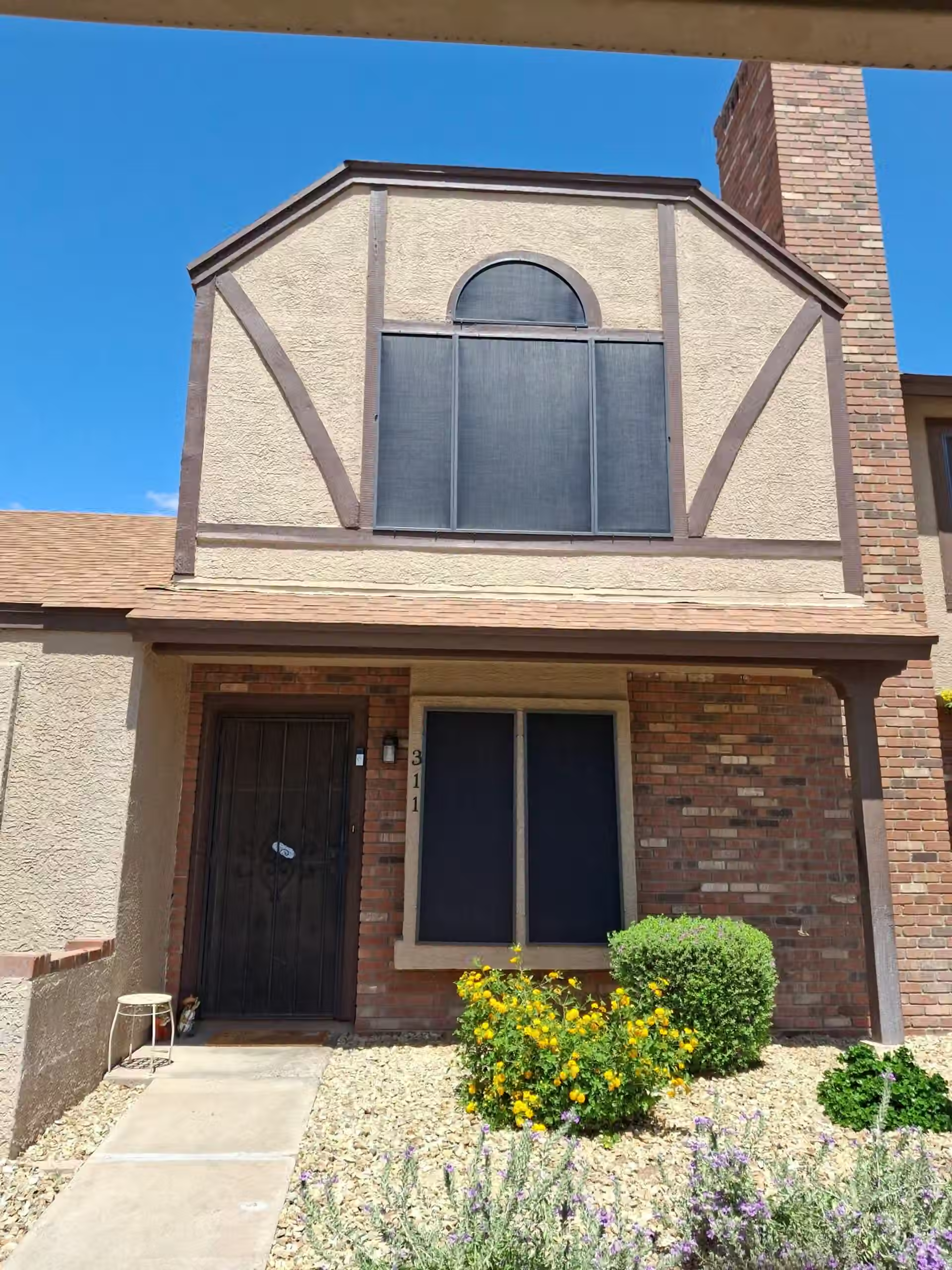
Blinds and curtains help, but by the time they catch the sun, the heat is already inside your house. A solar screen sits on the outside of the window and absorbs and blocks much of the sunlight before it ever touches the glass.
APS guidance, citing federal housing research, notes that exterior shade screens can be up to seven times more effective than interior blinds or curtains.2 That's the whole idea: stop the heat at the door instead of trying to remove it later.
Which windows should you screen first?
Not every window works equally hard against you. The direction it faces matters most.
- West-facing windows. They take the brutal late-afternoon sun, when the outside temperature is already at its peak. These are almost always the first priority. The Department of Energy notes that shading such as awnings can cut solar heat gain on west windows by up to 77%, which shows just how much heat comes through that side.1
- East-facing windows. Morning sun is lower and more direct than you'd think. Bedrooms and kitchens on the east side often heat up early.
- South-facing windows. Strong midday exposure, especially on two-story homes and rooms without a deep overhang.
- North-facing windows. They rarely see direct sun, so they're usually last on the list.
SRP gives the same advice from the utility side: east- and west-facing walls take the hardest hit from the sun, so those rooms gain the most heat.3
80% or 90%: which screen is right?
Solar screens are usually described by how much of the sun they block. The trade-off is simple: the more they block, the tighter and darker the weave, and the less you see through them.4
| 80% solar screen | 90% solar screen | |
|---|---|---|
| Heat & glare | Strong reduction | Maximum reduction |
| View out | Clearer, more open | Darker, less see-through |
| Room brightness | Brighter | Dimmer |
| Great for | Living rooms and views you love | Blazing west windows, bedrooms, media rooms |
Many homeowners mix them: 90% on the hottest west and south glass, 80% where the view matters. Darker screen colors also tend to be easier to see through from inside than light ones, so color is worth discussing too.
What to expect after installation
- Cooler, more even rooms, especially in the afternoon on the sunny side of the house.
- Less glare on TVs and computer screens.
- Daytime privacy. During the day it's hard for people outside to see in. At night, with lights on inside, the effect reverses, so you'll still want blinds for evening privacy.
- Less fading of floors, furniture and artwork.
- A slightly darker interior, which most Arizona homeowners find to be a welcome trade.
- Bug protection, since solar screen mesh also keeps insects out of open windows.
What about energy savings?
Every home is different, but the utilities' own numbers are encouraging. SRP says shade screens can cut cooling costs by up to 25%, and some SRP customers may qualify for a rebate, so check the current SRP and APS programs before you buy.3
Stack your savings. SRP recommends setting your thermostat to 78–80°F when you're home, and says each degree above 80 can save roughly 2–3% on cooling costs.3 Shaded windows make those settings much more comfortable.
How Peak Screens does it
Peak Screens is a mobile, family-owned crew. We measure your windows, build your solar screens on-site in our mobile screen shop, and install them the same visit when possible. We'll walk you through 80% vs. 90% and color options on your actual windows, so you can see the difference before you decide.
See solar screens on your windows. Dinner's on us.
Register for PeakRewards and get a $100 restaurant certificate, upgraded to $200 when you keep a free in-home estimate within 7 days. No purchase required.